Commercial Architecture Services by Certified Architects
Creative Architectural Solutions: Exploring the Value of Skilled Architecture Services
Revolutionary building designs are instrumental in defining urban settings. Through emphasizing environmental responsibility and practicality, urban planners can build settings that align with the needs of communities. The integration of eco-conscious resources and smart solutions optimizes resource consumption while cultivating collaborative spaces. As design philosophies develop, they respond to user requirements and honor community identity. A key inquiry persists: how do these elements converge to transform our built environments and improve quality of life?
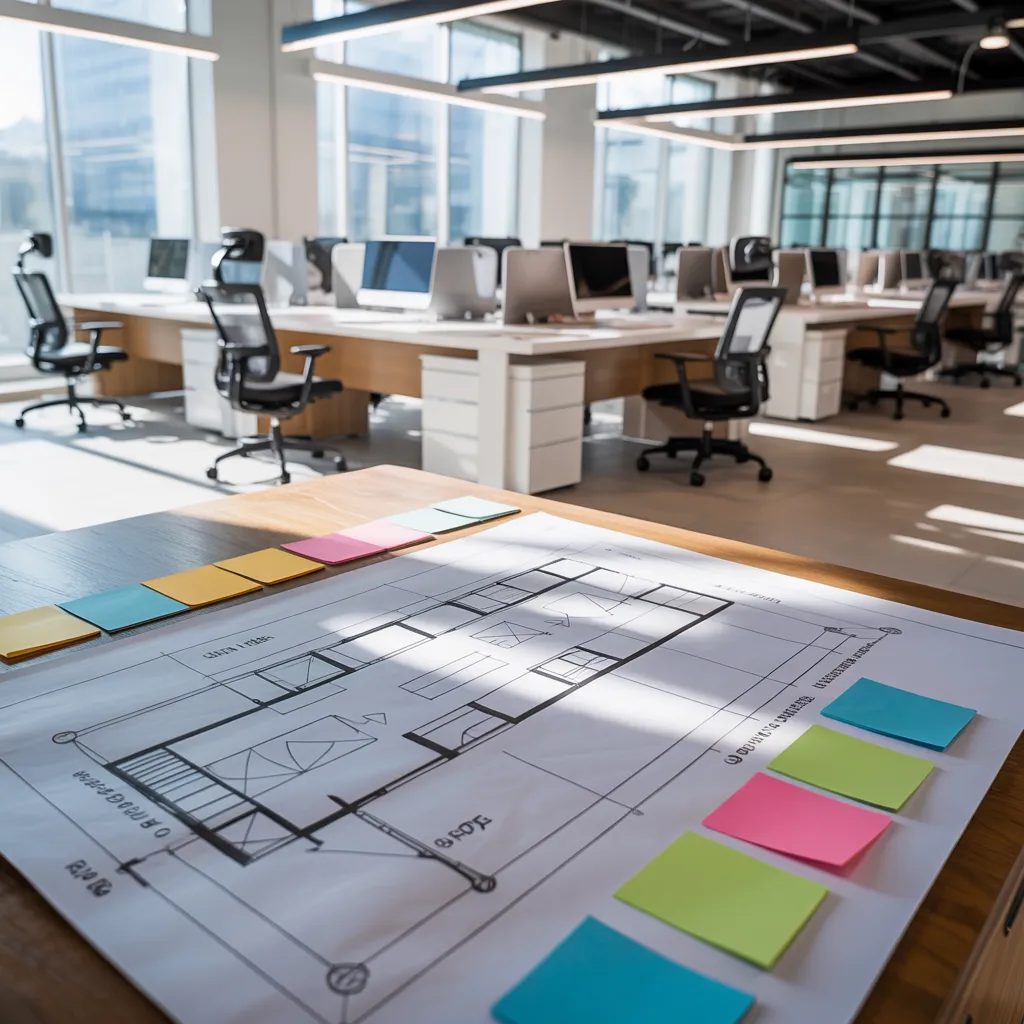
How Architects Contribute to Building Sustainable Spaces
Architects play a pivotal role in the development of eco-friendly environments, greatly influencing the environmental outcome of built environments. Their proficiency supports the adoption of green building materials, low-energy systems, and progressive design concepts that minimize resource consumption. By emphasizing sustainable practices, architects are positioned to build structures that lower carbon emissions and improve energy efficiency.
Working closely with technical experts and environmental consultants is crucial in this undertaking, making certain that designs meet both aesthetic and functional criteria while maintaining eco-friendly standards. Furthermore, architects thoughtfully evaluate the surrounding ecosystem, fostering biodiversity and weaving in natural components that encourage a balanced connection between constructed and natural spaces.
With careful consideration, architects also advocate for the use of sustainable energy options, such as solar panels or wind turbines, which further reinforces sustainability aims. At its core, their influence stretches well past construction; architects define the evolution of urban spaces by fostering a commitment to sustainable practices and conscientious planning.
Key Innovations in Architectural Design That Improve Functionality
A wide range of developments in architectural design are redefining the functionality of today's built environments. A key development is the implementation of advanced technology, allowing buildings to adapt to users' needs through automated lighting, climate control, and security systems. This enhances energy efficiency and user comfort.
Moreover, modular building methods are becoming increasingly popular, enabling faster assembly and greater flexibility in design. Such constructions can be readily modified or scaled up, making them suitable for various uses.
Biophilic architecture, that integrates elements of nature into architecture, enhances health and efficiency, nurturing a bond between inhabitants and their surroundings.
Furthermore, open floor plans have become increasingly popular, allowing for versatile spaces that can accommodate different activities.
Lastly, green materials are being incorporated not only for their eco-friendliness but also for their visual appeal and long-lasting qualities, improving the overall performance of contemporary buildings. Collectively, these developments result in more versatile and optimized architectural outcomes.
How Design Connects Communities
Design plays a pivotal role in nurturing connections within communities, creating spaces that promote engagement as well as collaboration among community members. Thoughtfully designed parks, public squares, and communal areas act as indispensable meeting points, promoting social engagement and a sense of belonging. Design elements such as open layouts and adaptable environments provide possibilities for local activities and initiatives, improving the collective living experience.
In addition, designs that reflect regional culture and history create a distinctive sense of identity, enabling residents to develop a stronger connection to their environment. By championing accessibility and inclusivity, architects guarantee that every person, regardless of age or physical ability, can participate in community life.
The inclusion of natural components, such as parks and leisure spaces, further enriches the community experience, giving residents a retreat and an area for mutual enjoyment. At its core, deliberate architectural design not only transforms physical spaces but also strengthens the bonds that hold communities together.
Maximizing Energy Efficiency Via Expert Architectural Design
A significant shift toward energy efficiency is reshaping the architecture landscape, spurring the development of pioneering solutions that reduce ecological footprint. Skilled architectural expertise serve a vital function in this shift by incorporating green methodologies into the design process. These architecture specialists evaluate patterns of energy use and apply advanced materials, such as high-performance insulation and high-performance glazing, to reduce climate control requirements.
Moreover, the integration of renewable energy sources, like photovoltaic panels and geothermal solutions, not only lowers reliance on fossil fuels but also decreases operating expenses for property managers. Modern smart building solutions further enhance energy efficiency, allowing for real-time energy monitoring and usage adjustments.
Through detailed planning and forward-thinking design, expert architects design spaces which not only adhere to rigorous environmental standards but also promote long-term sustainability. This commitment to energy efficiency ultimately leads to a healthier planet and more resilient communities, underscoring the vital role of architecture in combating climate change.
Impressive Urban Landscape Redesigns
A prime illustration is the transformation of derelict waterfront areas into vibrant leisure spaces, featuring walking paths, parks, and cultural installations. Such developments do more than improve the scenery, as they also invigorate surrounding economies by attracting visitors and businesses.
Furthermore, skilled urban design recognizes the unique features of a district, confirming that every change captures its past and essence. This tailored approach encourages a sense of belonging among local inhabitants, motivating guardianship of the area. At its core, thriving urban landscape projects reveal the capacity of comprehensive resource architectural innovation to reinvent how cities are experienced and support environmentally conscious communities.
What Does the Future Hold for Innovative Architecture?
In what ways can innovative architecture keep pace with and address the changing demands of society? With urban landscapes becoming ever more intricate, architects face the critical task of tackling key challenges including sustainability, affordability, and social equity. Emerging technologies, including artificial intelligence and advanced materials, offer new avenues for design, enabling more efficient construction processes and enhanced energy performance.
Furthermore, architects are continually engaging with a wide range of stakeholders, from local communities to environmental specialists, making sure designs capture the principles and demands of those they serve. This collaborative method promotes resilience, allowing structures to adapt to shifting climatic factors and social requirements.
Moreover, the integration of biophilic design principles promotes well-being, forging a connection between occupants and nature. As the architectural profession progresses, the emphasis on creative solutions will continue to be essential, motivating the discipline to craft spaces that are both functional and transformative for generations to come.
Answers to Your Most Common Questions
How Do Architects Partner With Engineers on Projects?
Architects partner with engineers by integrating design concepts with technical requirements, maintaining structural stability and operational efficiency. Regular meetings facilitate communication, allowing both disciplines to address challenges and improve project results through collaborative knowledge and creative approaches.
What Are the Expenses Involved in Hiring an Architect?
The costs associated with hiring an architect typically include design costs, project oversight fees, and possible extra charges for on-site visits or consultations. These fees can fluctuate substantially depending on the complexity of the project and its location.
How Long Does the Architectural Design Process Typically Take?
The architectural design process generally requires several months, depending on the complexity of the project and client needs. Elements including permitting, project revisions, and contractor management can also influence the total project duration, often extending the duration considerably.
Can Architects Help With Zoning and Permit Applications?
Absolutely, architects are able to help with permit and zoning applications. Their experience allows them to navigate intricate zoning regulations and establishes alignment with municipal codes, expediting the approval process and improving the chances of obtaining necessary approvals for development projects.
What Qualifications Should I Consider When Choosing an Architect?
When selecting an architect, you should consider qualifications such as education, licensing, experience in relevant projects, strong communication skills, and a portfolio showcasing creativity and problem-solving skills. Specific areas of expertise may also matter based on the nature of the project.